Why Most People Hire the Wrong Online Notary (And Don’t Find Out Until It’s Too Late)
Most people think online notarization is simple.
You upload a document.
You meet a notary on video.
You get a stamp. Done.
Except that assumption is exactly why documents get rejected, delayed, or flagged—sometimes weeks or months later, when fixing it is far more expensive.
The problem isn’t online notarization itself.
The problem is that not all online notarizations are accepted equally by receiving parties. and most people don’t learn that distinction until it matters.

The Online Notary Mistake Most People Don’t Realize They’re Making
Here’s the belief that causes trouble:
“An online notary is an online notary.”
That’s like saying:
- Any contract is legally the same
- Any signature works everywhere
- Any verification is accepted by every institution
None of that is true.
And the notary platforms that process documents at speed rarely slow down to explain the difference—because speed is their product.
Accuracy is not.

Why This Online Notarization Mistake Causes Document Rejection
There are different levels of online notarization, and some situations require extra scrutiny or may not be suitable for online notarization when document rejection is not an option.
For example:
- Estate planning documents
- Real estate and title-related filings
- International or cross-border use
- Apostille-bound paperwork
- Documents tied to financial, legal, or identity risk
If the notary doesn’t diagnose the document before notarizing, the notarization may technically complete—but still fail later.
That’s the part people don’t see coming.
Reality Check (Important)
A document is often rejected not because the notarization was unlawful, but because the receiving party has requirements that go beyond basic notarization.
For example:
- The receiving institution may have stricter internal policies
- They may require specific notarial certificate wording
- They may require wet ink, in-person notarization, or original documents
- International or cross-border use can introduce added complexity
(apostille requirements, translations, formatting rules)
This is why diagnosing the document’s intended use matters just as much as notarizing it correctly.
Why Some Online Notaries Say Yes to Everything (And Why That’s Risky)
Here’s something most people find surprising:
A notary who says yes to every document is often the riskiest choice.
Why?
Because not every document should be notarized online.
And some documents:
- Require additional identity scrutiny
- Need specific notarial wording
- Must align with jurisdictional or receiving-party rules
- Are rejected if notarized incorrectly—even if the stamp is valid
A professional online notary’s job isn’t to say yes quickly.
It’s to say yes only when appropriate.
And this is where the “just pick any online notary” approach breaks down.

How a Remote Online Notary Screens Documents Before Saying Yes
This is where many people misunderstand professionalism.
Being selective doesn’t mean:
- Fewer appointments
- Artificial limits
- “Only 3 spots left” tactics
It means this:
The notary evaluates the document before agreeing to notarize it.
That evaluation protects:
- You
- The receiving institution
- The integrity of the notarization itself
And yes—sometimes the correct answer is:
“This should not be notarized online.”
That answer saves far more time and money than a fast but incorrect stamp.
Many important legal forms — including wills, powers of attorney, and healthcare directives — are part of a broader group of estate planning documents that may require proper notarization.

When an Online Notary Is the Wrong Choice
This matters, so let’s be clear.
This approach is a fit if:
- Your document cannot afford rejection
- You care where and how it will be accepted
- You want clarity before notarization, not after
It is not a fit if:
- You’re looking for the cheapest possible stamp
- Speed matters more than accuracy
- You assume all notarizations are interchangeable
Neither is “wrong.”
They’re just very different use cases.

Online Notarization Mistakes That Create Legal and Financial Risk
Before notarizing anything online, the only question that matters is this:
Does this document require precision—or just convenience?
If it requires precision, the process must start with evaluation, not execution.
That’s the step most people skip.
And it’s the step that prevents downstream problems.
Why Hiring the First Online Notary You Find Can Backfire
If you’re unsure whether your document qualifies for secure online notarization, the next step isn’t booking.
It’s clarity.
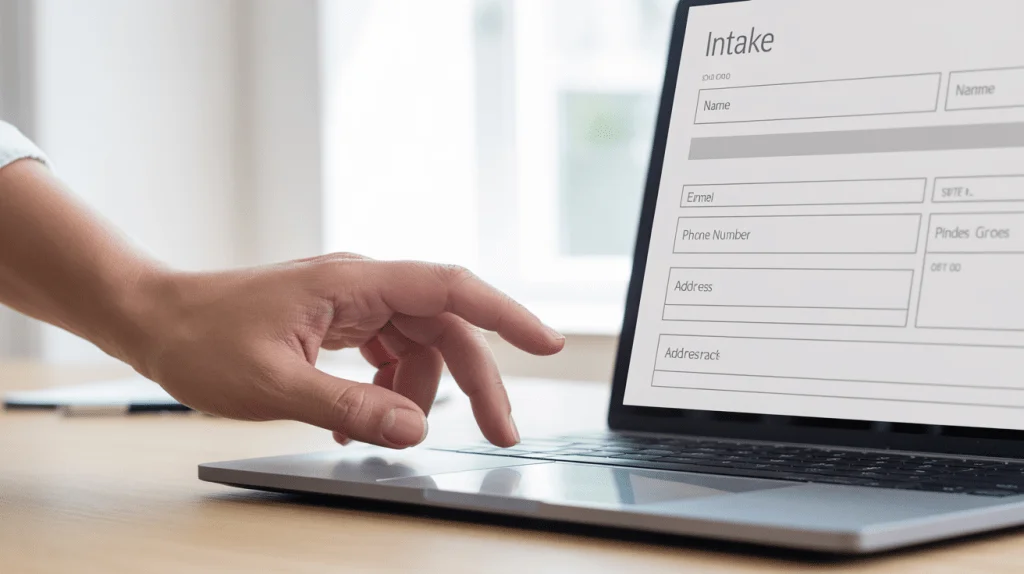
There’s a short intake process that determines:
- Whether online notarization is appropriate
- What level of verification is required
- Whether your document should proceed—or not
If it’s a fit, you’ll be told.
If it’s not, you’ll be told that too.
You’re free to decide what’s best.
Final Thought
Most notarization problems don’t come from bad intentions.
They come from skipped distinctions.
When precision matters, diagnosis comes first.
Frequently Asked Questions
Are all online notarizations the same?
No. Online notarizations vary by verification level, document type, and intended use. Some documents require additional scrutiny or should not be notarized online at all.
Can an online notarized document be rejected?
Yes. Documents can be rejected if the notarization method, wording, or verification level does not meet the requirements of the receiving institution.
When should I avoid online notarization?
Online notarization may not be appropriate for certain real estate, estate planning, international, or apostille-related documents without proper evaluation first.
How do I know if my document qualifies for online notarization?
A professional online notary evaluates the document’s purpose, destination, and risk level before proceeding. Qualification should come before notarization.
Is a notary who accepts every document a good choice?
Not always. A notary who evaluates documents before accepting them helps prevent rejection, delays, and downstream issues.