What Is Original Medicare? What It Covers and What It Costs in 2026
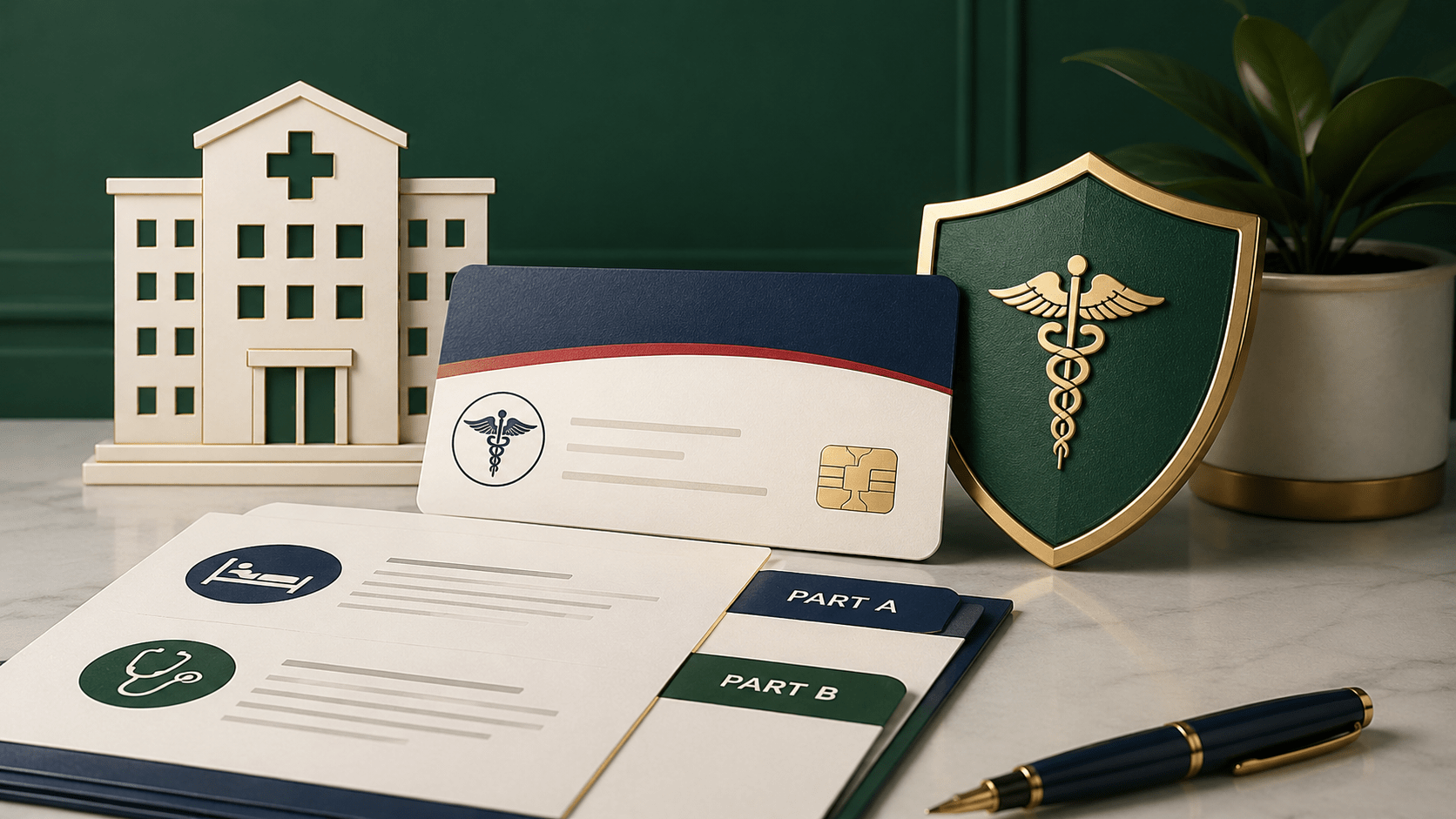
Original Medicare is the federal government’s original health insurance program for people 65 and older, made up of Part A (hospital coverage) and Part B (medical coverage).
If you’re approaching 65 — or helping a parent figure all of this out — you’ve probably heard the term “Original Medicare” and wondered what it actually means.
It’s simpler than it sounds. Original Medicare is the federal health insurance program run directly by the U.S. government. It’s been around since 1965, it covers most Americans at 65, and it’s the foundation that everything else in Medicare is built on top of.
Here’s what it covers, what it doesn’t, what it costs, and how to decide if it’s the right fit for you.
Key Takeaways
- Original Medicare has two parts: Part A (hospital coverage) and Part B (medical coverage).
- Most people get Part A premium-free if they or their spouse worked and paid Medicare taxes for at least 10 years.
- The standard Part B premium in 2026 is $202.90 per month — higher if your income exceeds certain thresholds (IRMAA).
- Original Medicare does not cover most prescription drugs, dental, vision, or hearing — you need separate coverage for those.
- There are no network restrictions with Original Medicare — you can see any doctor or hospital in the country that accepts Medicare.
- Most people either keep Original Medicare and add a Medigap supplement plan and Part D, or choose a Medicare Advantage plan instead — a different way to receive the same Part A and Part B benefits.
1. What Is Original Medicare?
Original Medicare is the traditional, government-run version of Medicare — administered directly by the federal Centers for Medicare & Medicaid Services (CMS). When most people say “Medicare,” this is what they mean.
It’s made up of two parts that work together:
The Two Parts of Original Medicare
- Part A — Hospital Insurance. Covers inpatient hospital stays, skilled nursing facility care, hospice, and some home health services.
- Part B — Medical Insurance. Covers doctor visits, outpatient services, preventive care, lab work, durable medical equipment, and most medically necessary services you receive outside a hospital.
Together, Parts A and B form the backbone of Medicare. Everything else — Part C (Medicare Advantage), Part D (drug coverage), and Medigap supplement plans — either builds on top of Original Medicare or replaces how you receive it.
2. Part A: Hospital Coverage
Part A is what most people think of as hospital insurance. It covers the cost of being admitted to a hospital, staying in a skilled nursing facility after a qualifying hospital stay, receiving hospice care, and certain home health services.
What Part A Covers
- Inpatient hospital care (semi-private room, meals, nursing, most hospital services and supplies)
- Skilled nursing facility (SNF) care — generally after a qualifying 3-day inpatient hospital stay
- Hospice care for terminal illness
- Home health services (when medically necessary and ordered by a doctor)
- Inpatient mental health care
If you have fewer than 40 quarters of work history, you may pay a premium for Part A — $565/month in 2026 (or $311/month if you have 30–39 quarters). This situation is less common but worth knowing about, especially for people who immigrated to the U.S. later in life or had significant gaps in employment.
3. Part B: Medical Coverage
Part B covers the outpatient side of your healthcare — the doctor visits, lab work, imaging, and services you receive without being admitted to a hospital. It also covers preventive care, which is one of the most underused parts of Medicare.
What Part B Covers
- Doctor visits (primary care and specialists)
- Outpatient procedures and surgery
- Lab tests, X-rays, MRIs, and other diagnostic imaging
- Preventive services — including annual wellness visits, flu shots, mammograms, colonoscopies, and many cancer screenings
- Durable medical equipment (walkers, wheelchairs, CPAP machines)
- Mental health services (outpatient therapy and psychiatry)
- Ambulance services
- Some home health care
- Certain chemotherapy and other outpatient treatments
Part B covers most Medicare-approved services after you meet your annual deductible. For covered services, you typically pay 20% of the Medicare-approved amount — with no out-of-pocket maximum under Original Medicare alone. That gap is exactly what Medigap plans are designed to fill.
4. What Does Original Medicare Cost in 2026?
Original Medicare has several cost components. Here is a straightforward breakdown for 2026:
2026 Original Medicare Cost Overview
- Part A Premium: $0 for most people (40+ work quarters). $311/month for 30–39 quarters. $565/month for fewer than 30 quarters.
- Part A Deductible: $1,736 per benefit period (not necessarily once per year—a new deductible can apply when a new benefit period begins).
- Part A Coinsurance: $0 for days 1–60; $434/day for days 61–90; $868/day for each lifetime reserve day.
- Part B Premium: $202.90/month standard (may be higher with IRMAA).
- Part B Deductible: $283/year.
- Part B Coinsurance: You typically pay 20% of the Medicare-approved amount after the deductible — with no cap under Original Medicare alone.
5. What Original Medicare Does NOT Cover
This is the part people are most surprised by. Original Medicare — Parts A and B alone — does not cover several things most people assume it does, including prescription drugs, routine dental, vision, and hearing care, and long-term custodial care.
These gaps are why most people on Original Medicare also carry a Medigap supplement plan and a standalone Part D drug plan. For a full breakdown of what’s excluded and why, see What Does Medicare Cover? Coverage Gaps Explained.
6. Original Medicare vs. Medicare Advantage
When you become eligible for Medicare, you have a choice: stick with Original Medicare (Parts A and B) and add supplemental coverage, or switch to a Medicare Advantage plan (Part C), which is offered by private insurance companies and bundles your coverage together.
Both paths have real tradeoffs. Here is a side-by-side look:
Original Medicare
- Run by the federal government
- See any doctor or hospital nationwide that accepts Medicare — no networks
- No referrals needed for specialists
- No out-of-pocket maximum (without a Medigap plan)
- Separate Part D plan needed for drugs
- Pairs with Medigap to cap your costs
- Generally more predictable for people with complex or ongoing health needs
Medicare Advantage
- Run by private insurance companies
- Usually requires staying in-network
- May require referrals for specialists
- Has an out-of-pocket maximum (by law)
- Most plans include drug coverage (Part D)
- Often includes dental, vision, hearing extras
- Premiums can be low or $0 — but costs at point of care vary
Neither option is universally better. The right choice depends on your health, your doctors, your medications, your travel habits, and your financial situation. This is exactly the kind of decision I help people think through — without pressure, without a sales pitch.
Watch: Original Medicare Explained
Prefer video? Watch my step-by-step explanation of Original Medicare, Part A, Part B, and how Medicare works before exploring Medicare Supplement, Part D, or Medicare Advantage options.
7. Who Is Original Medicare Best For?
Original Medicare — paired with a Medigap plan and Part D — tends to be a strong fit for people who:
Original Medicare May Be the Right Fit If You…
- Travel frequently or spend part of the year in another state
- Have established relationships with specialists you want to keep seeing
- Have complex or ongoing health conditions that require frequent care
- Want predictable, capped out-of-pocket costs (with Medigap)
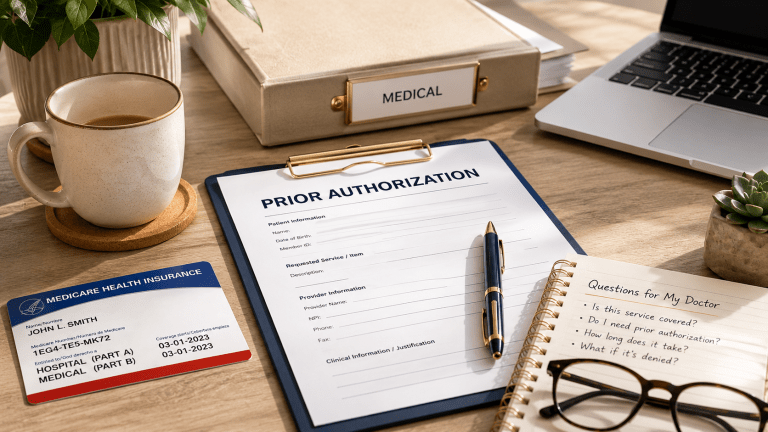
- Value the freedom to see any Medicare-accepting provider without a plan network, while understanding that limited CMS programs may require prior authorization or related review for selected services
- Live in a rural area where Medicare Advantage network options may be limited
If you are generally healthy, budget-conscious, and comfortable staying within a network, Medicare Advantage may serve you well. But if predictability and provider freedom matter most, Original Medicare with a Medigap plan is worth a close look.
Frequently Asked Questions
What is Original Medicare?
Original Medicare is the federal government’s health insurance program, made up of Part A (hospital coverage) and Part B (medical coverage). It covers most Americans starting at age 65, and it also covers certain people under 65 with qualifying disabilities, End-Stage Renal Disease, or ALS.
Is Original Medicare free?
Part A is free for most people if they or their spouse worked and paid Medicare taxes for at least 10 years (40 quarters). Part B has a standard monthly premium of $202.90 in 2026, which is typically deducted from your Social Security check. Higher-income individuals pay more due to IRMAA.
Does Original Medicare cover prescriptions?
No. Original Medicare Parts A and B do not cover most outpatient prescription drugs. You need to add a standalone Part D Prescription Drug Plan to get drug coverage under Original Medicare.
Does Original Medicare cover dental, vision, or hearing?
Generally no. Routine dental care, eye exams, eyeglasses, and hearing aids are not covered under Original Medicare. Some Medicare Advantage plans include these benefits, which is one reason people compare both options carefully.
Can I see any doctor with Original Medicare?
Yes — as long as the doctor accepts Medicare, you can see them. There are no network restrictions under Original Medicare. This is one of its biggest advantages for people who travel, split time between states, or have established specialist relationships they want to maintain.
What is the difference between Original Medicare and Medicare Advantage?
Original Medicare is run by the federal government and gives you the freedom to see any Medicare-accepting provider nationwide. Medicare Advantage is offered by private insurance companies and typically uses networks of doctors and hospitals. Advantage plans often include extra benefits like dental and drug coverage, but may require plan-based referrals and prior authorizations more broadly. Original Medicare generally does not use that same plan-based structure, although limited CMS programs can require prior authorization or related review for selected services.
Do I need a Medigap plan with Original Medicare?
You are not required to have one, but most people choose to add a Medigap supplement plan because Original Medicare has no out-of-pocket maximum on its own. The 20% coinsurance under Part B has no cap — meaning a serious illness or surgery could leave you with significant out-of-pocket costs without a Medigap plan to cover the gap.
Final Thoughts
Original Medicare is solid, flexible coverage — but it was never designed to stand alone. The gaps are real, and the costs can add up fast without the right supplemental coverage alongside it.
The good news is that you have options, and there is no one-size-fits-all answer. What matters is understanding what you are actually buying — and what you are not — before you enroll.
If you are turning 65 in the next year or two, now is the time to start paying attention. Your Initial Enrollment Period only lasts seven months, and the decisions you make at the start can affect your costs and coverage options for years to come.
Required Next Step: Choose How You Want to Address the Gaps
Understanding Parts A and B is the foundation. Your next step is to decide whether you want Medicare Advantage or want to keep Original Medicare and consider Medigap plus separate Part D coverage.
Consider Medicare Advantage
Understand how Medicare Advantage changes the way Medicare-covered benefits are received through a private Medicare plan.
Keep Original Medicare and consider Medigap
Understand how Medigap works with Original Medicare to help with certain out-of-pocket gaps.
Add separate Part D coverage
If you keep Original Medicare, you generally need separate coverage for outpatient prescriptions.
Still asking whether Medicare covers a particular service or item? Go to What Does Medicare Cover? for that coverage question.
Confirm the Current Details Before You Choose
Before you act, verify the facts that apply to you. Medicare confirms current Part A and Part B costs and coverage rules. Your provider confirms whether they accept Medicare. A Part D plan confirms drug coverage and pharmacy costs. Plan availability depends on where you live, and Medigap eligibility, timing and underwriting rules may depend on your state and circumstances.
Once those current details are clear, a Medicare Review can help you compare how the available pieces may fit together.
Not Sure Which Medicare Path Is Right for You?
Original Medicare or Medicare Advantage? Medigap or Part D? Let’s look at your situation together. A Medicare review is free, takes about 20 minutes, and gives you a clear picture of your options.
Schedule My Free Medicare ReviewMore From The Journal

Not connected with or endorsed by the U.S. government or the federal Medicare program. Plan availability varies by location. This article is for educational purposes only and does not recommend any specific plan. Figures, thresholds, deductibles, premiums, and penalties can change.
Free Medicare Handbooks
Start here with the one that fits your situation.